
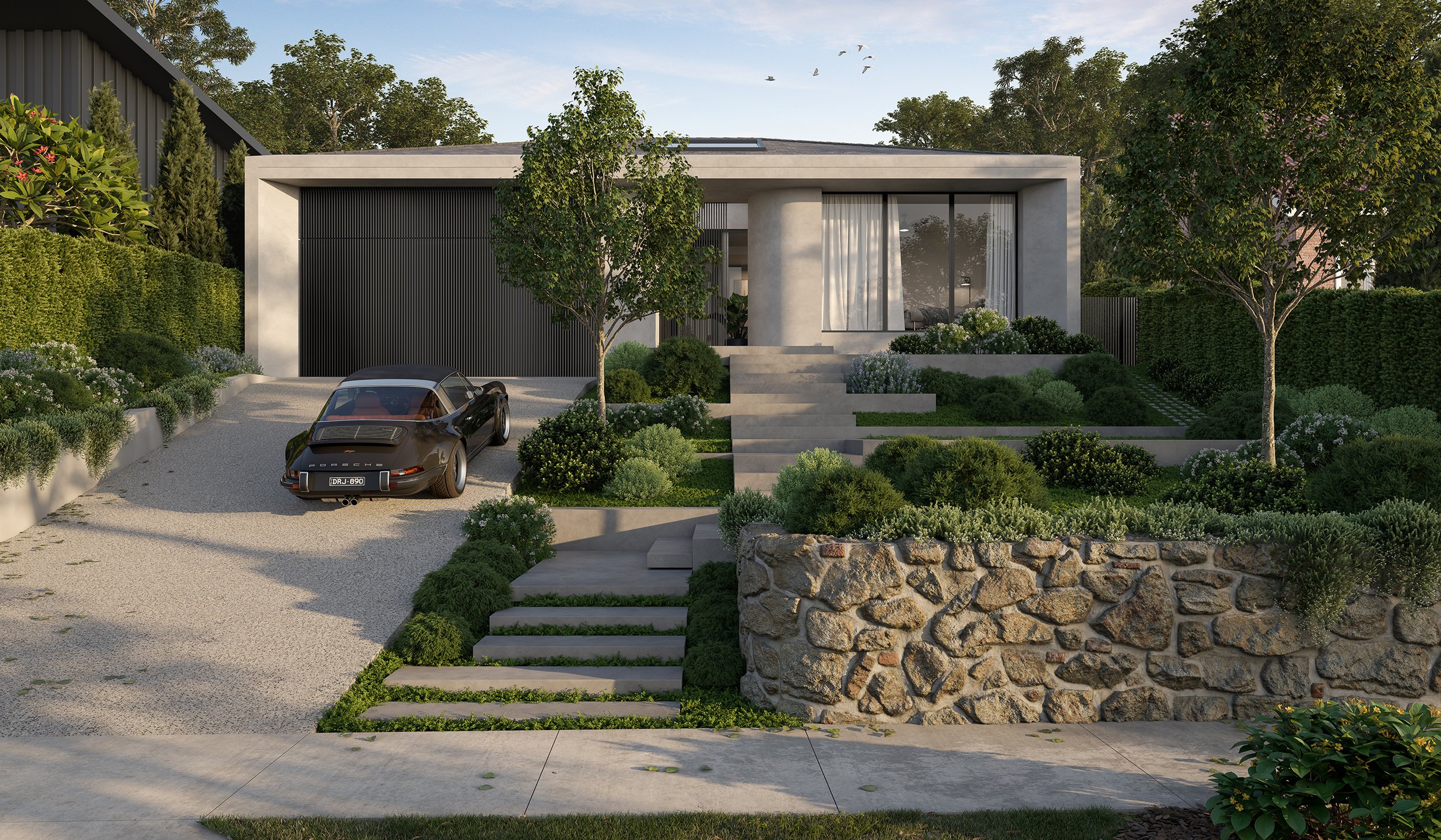
RESIDENTIAL ARCHITECTURE, WITH CONSTRUCTION REALITY BUILT IN
Make the important desicions before they become expensive to change.
A house is shaped by decisions made long before construction begins. I help you understand what each one means for the design, cost and build before you commit.
AS FEATURED IN




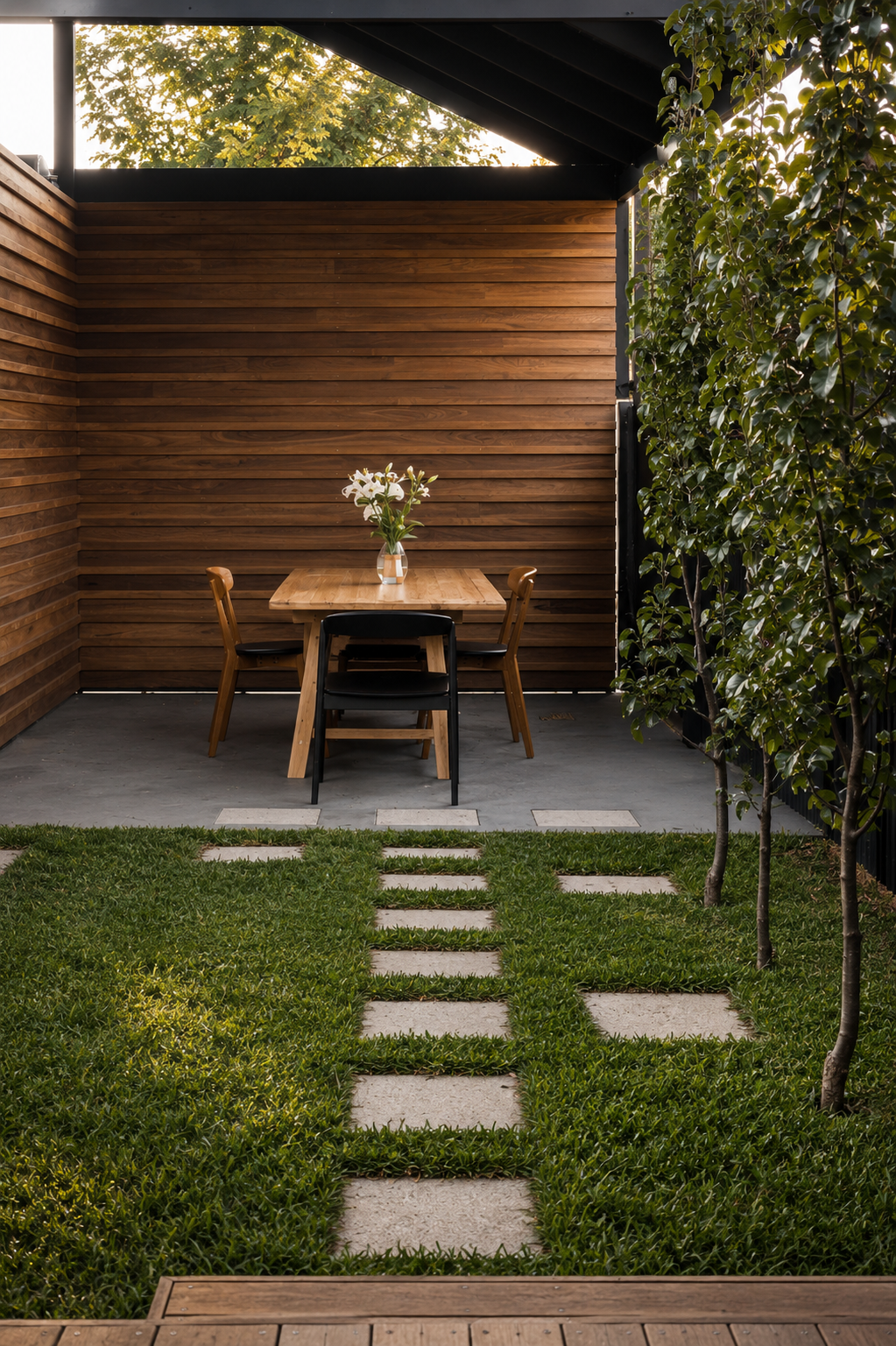
Most projects begin before they feel serious.
The early conversations are already shaping the house. A useful chat with a builder. A sketch on paper. A rough number. None of these feels like a major commitment on its own. But each begins to narrow what comes next. The opportunity is not to delay every decision. It is to recognise the few that deserve more thought before momentum takes over.
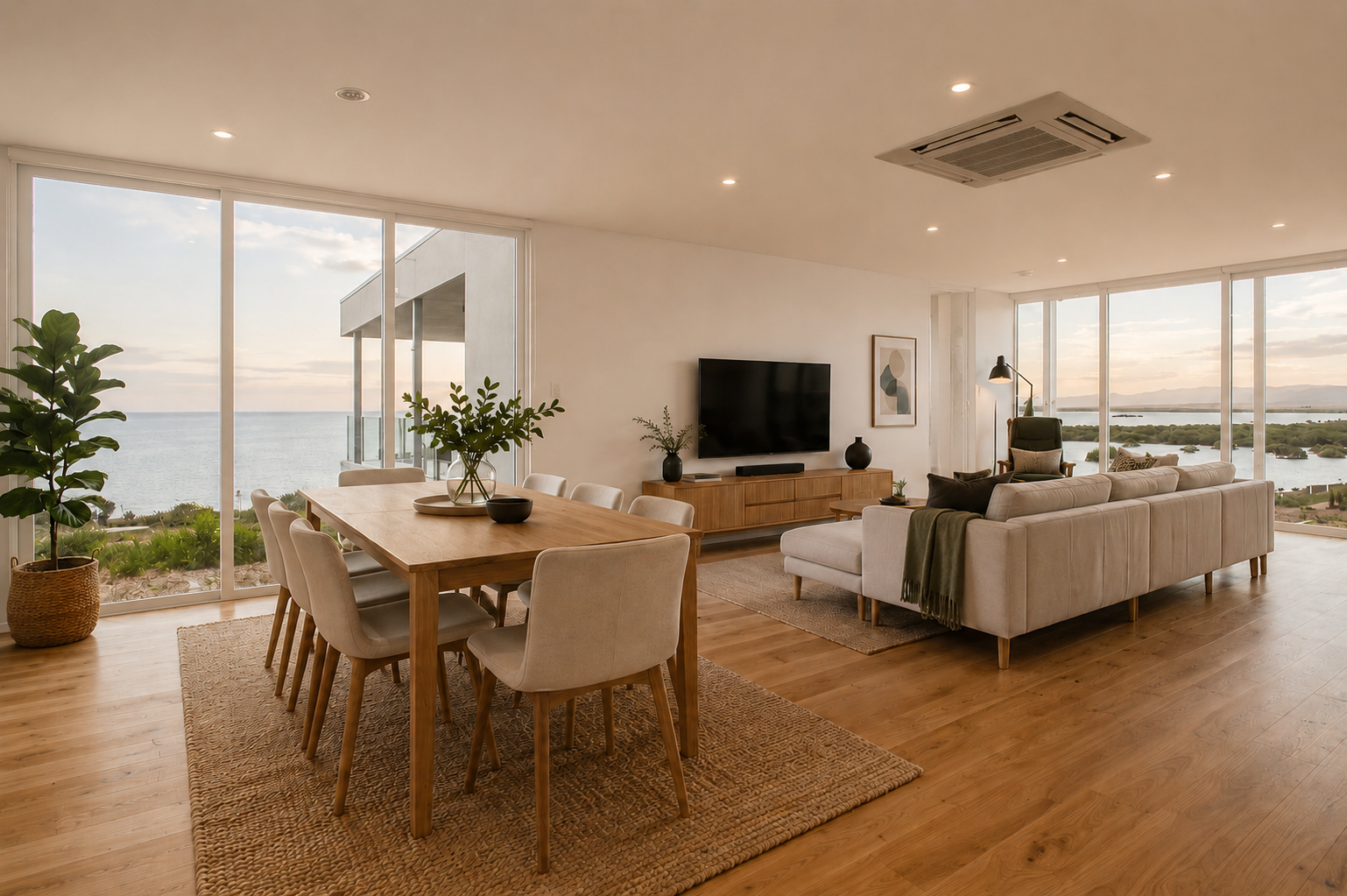
It doesn't arrive as a big decision.
It arrives as a sequence.
Your garage location sets the slab. The slab sets the height. Height triggers planning. Planning locks the budget. Each step feels small. Together, they define the project. By the time it feels serious, much of its direction has already been set.
The best projects identify the few decisions that matter most, understand their consequences, then commit with confidence.
A house is not primarily the product of design.
It is the product of decisions, and design is only one of them.
Why no one stops you early
No one is rewarded for saying: “Let’s pause and look at what this decision makes impossible later.” This idea sits at the centre of Find Your Way Home, where I unpack how these early, seemingly minor decisions quietly shape everything that follows.
As both architect and a former builder, I can see the design, cost and construction consequences of a decision before it is locked in.
-
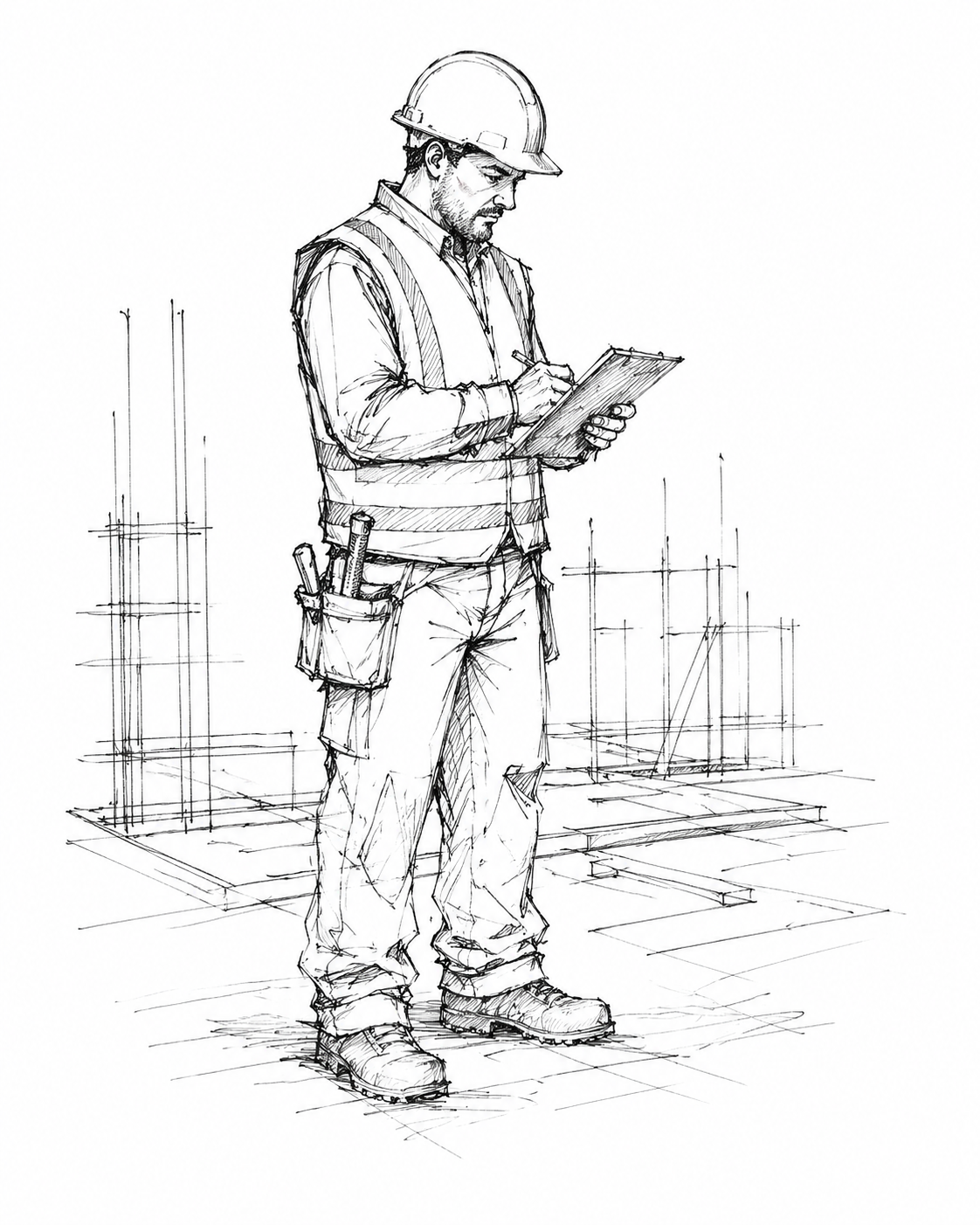
BUILDERS: are rewarded for progress. For keeping things moving. For getting on site and turning intent into action. Standing still doesn’t pay particularly well.
-
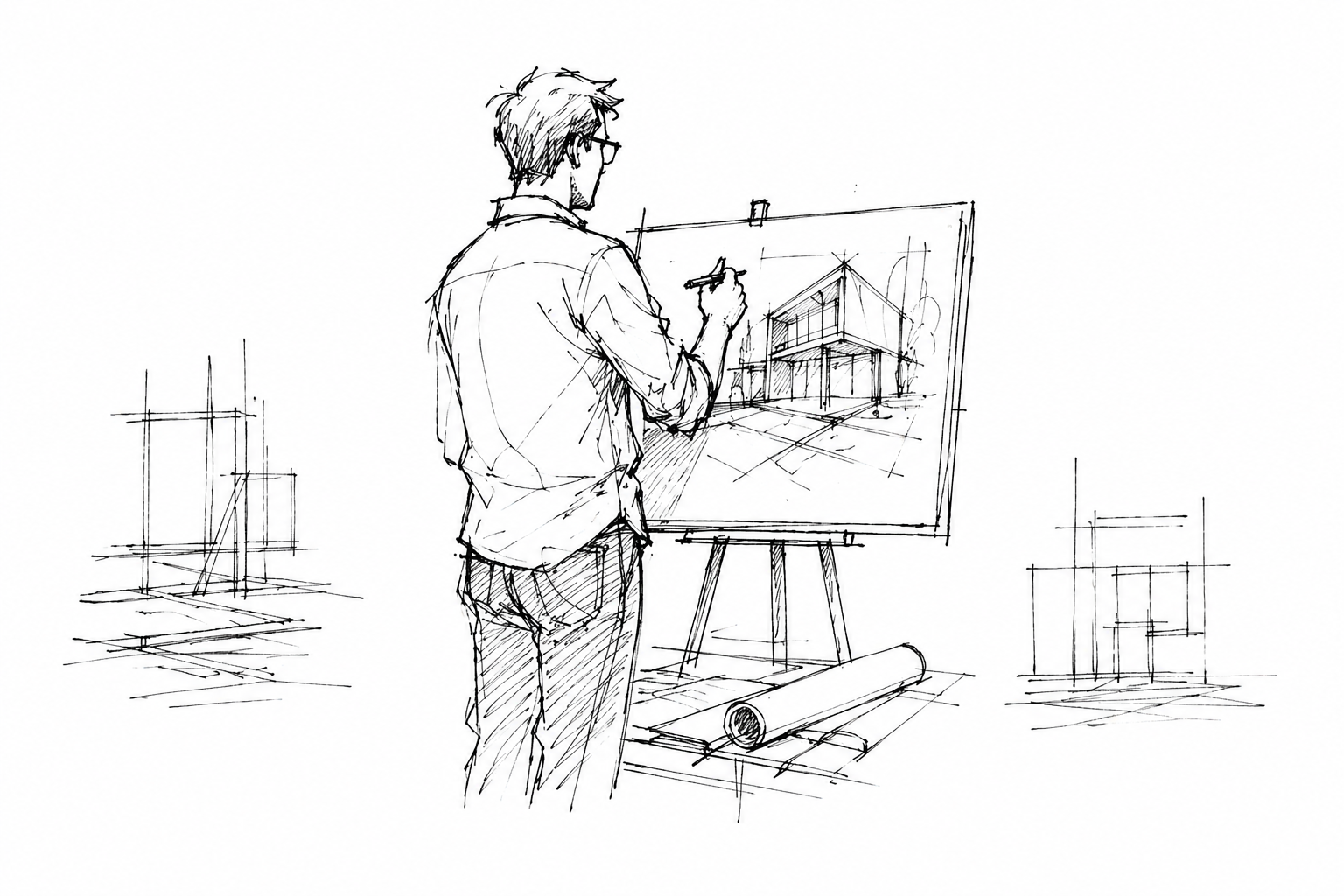
DESIGNERS: are rewarded for solutions. For putting a line on the page and turning uncertainty into a decision. A blank page doesn’t present well.
-

EVERYONE ELSE: is rewarded for encouragement. For reassurance, certainty, and strong opinions. It’s easier to be certain when you’re not the one paying for it.
If you are feeling slightly rushed, or if you have competing advice and you are not sure what is safe to decide next, a project call is usually the right first move.
Who Alexander works best with
-
Thoughtful decision-makers. You want good judgement, not noise. You value a calm process and a clear plan.
-
Time-poor professionals. You need someone to reduce complexity and keep the project moving in the right order.
-
Clients who want buildable beauty. Design that can actually be delivered, with cost and construction reality kept in view.
Real projects. Better decisions. Consequences understood before they were built in.

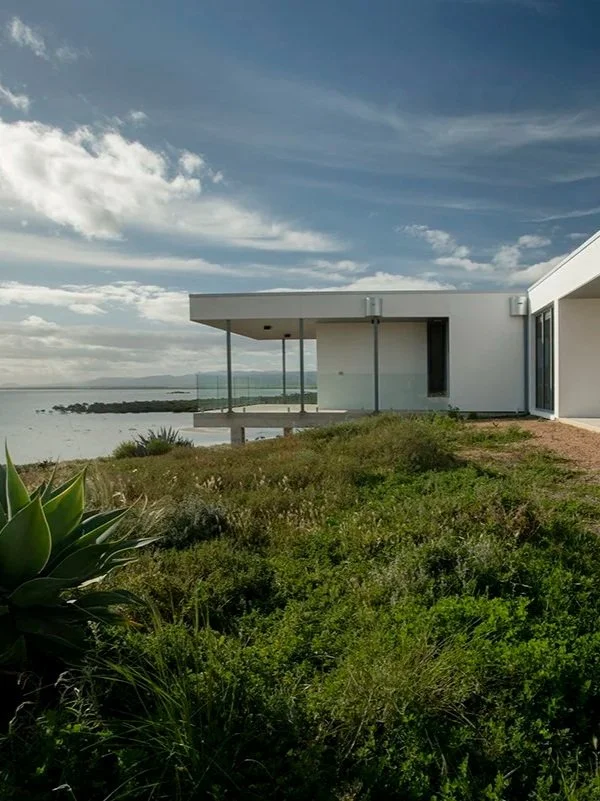
Case Study 1:
What the slope cost before anyone dug.
Case Study 2:
The best room in the house, given away.
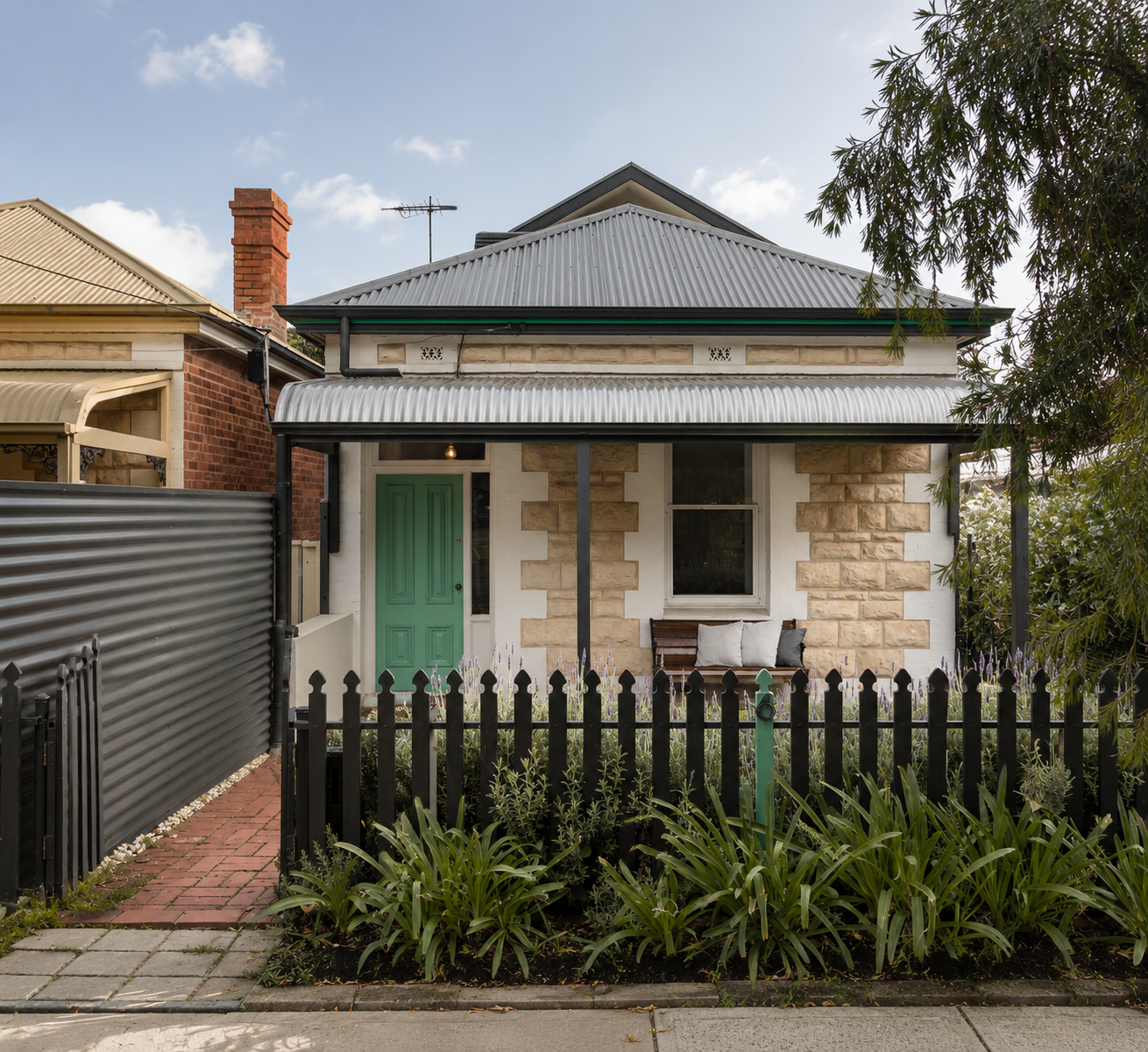
Case Study 3:
When more space makes things smaller.


The real measure of a good early decision
The decision you make early is still the one you are glad you made when you are living in the finished house. Not because nothing changed along the way. Because the project understood what mattered, what it would cost and what was worth protecting. Two ways to begin Start with the amount of help the decision requires.
Two ways to begin.
Start with the amount of help the decision requires.
Second Opinion
For a project that already has a direction, but needs its scope, cost or assumptions pressure-tested before moving further.
Full architectural service
For a project that needs the important decisions identified, developed and carried through design, approvals, pricing and construction.
What now.
If you are considering a renovation, extension or new home, the useful first conversation is not about drawing a solution. It is about understanding which decisions your project depends on.
Not sure where to start?
Take the Renovate or Rebuild Assessment or Estimate your project cost
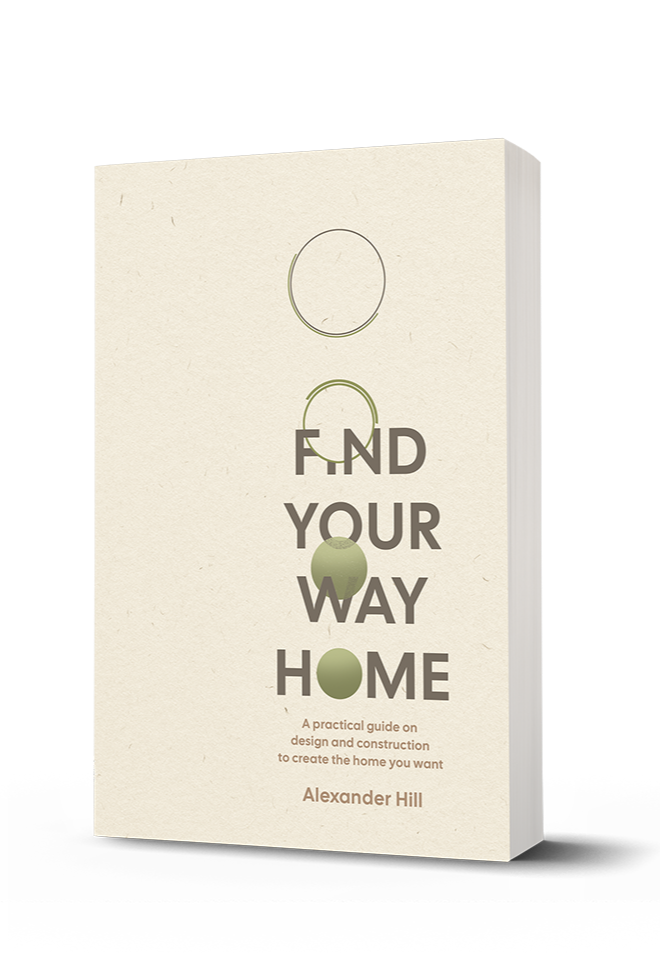
New Release:
Find Your Way Home
This book is your map for the design-and-build journey.
Think Lonely Planet for residential construction: what’s ahead, what to watch for, and how to stay on track. A practical guide that cuts through the noise so you can build with clarity, confidence, and common sense.

Alexander Hill
REGISTERED ARCHITECT
Awarded the Architects Board Prize in 2001, I began my career in Melbourne in 2002. In 2007 I started my practice with a beach house in Queenscliff. Working closely with builders, I sought to understand how design decisions translate on site, which led to obtaining my builder’s licence. In 2015 I joined Destination Living to help scale the architect–builder model, reinforcing the importance of clear roles, buildability, and accountability. In 2021 I returned to a one-person practice, centred on early decisions, transparent process, and advice that holds as projects move forward.